What Is the Fastest Road Bike in 2026? Fit, Aero, Weight & Real-World Speed
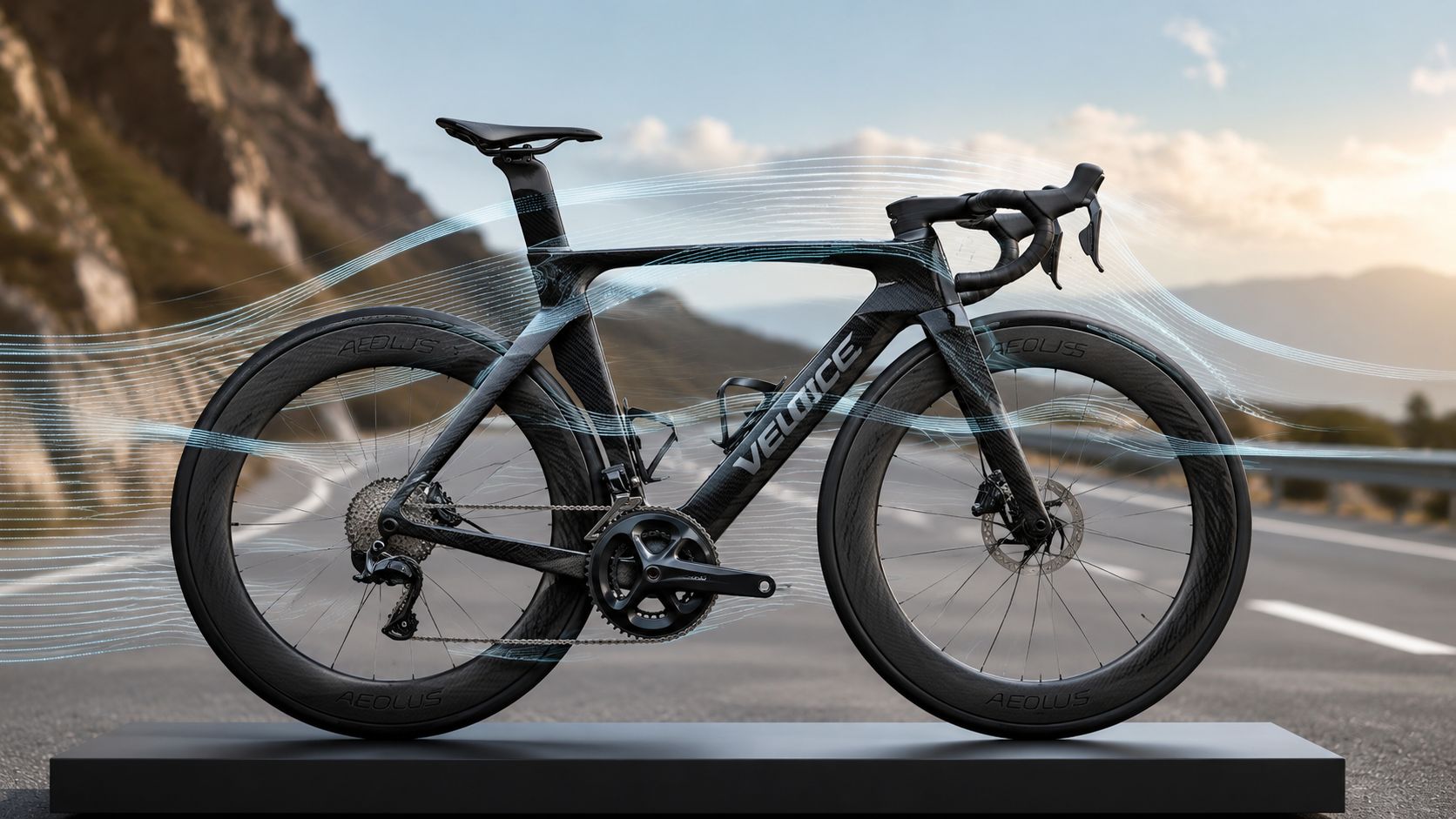
The most popular advice gets this wrong. There probably is not one universally fastest road bike, even if a brand, reviewer, or wind tunnel chart suggests otherwise.
Quick answer: There is no single fastest road bike for every rider in 2026. Aero race bikes may be fastest in controlled tests, but the fastest bike for you depends on the position you can hold, the terrain you ride, tire and wheel setup, weight, handling, budget, and whether the frame geometry fits your body.
If you want the best answer to “what is the fastest road bike in 2026,” start here: the fastest bike is the one that lets you ride efficiently, hold your position comfortably, and match the roads and speeds you actually ride.
Table of Contents
What Really Makes a Road Bike Fast
The fastest road bike is not a single model. It is the bike that lets a given rider hold the quickest real-world pace for the ride they actually do.
That sounds less exciting than a launch headline, but it is how speed works outside a product presentation. A road bike gets fast when several factors line up: aerodynamics, weight, rolling resistance, terrain, rider position, bike fit, handling confidence, and budget. Brands can show some of those variables in tidy comparison charts. The rest show up on real roads, over real ride durations, with a real rider trying to stay efficient.
That is why so many “fastest bike” articles oversimplify the topic. They answer a rider-specific buying question with a lab result. A bike can be extremely fast in one setup and still be a slower purchase for you if the geometry does not fit, the terrain does not suit the design, or the price forces compromises elsewhere such as wheels, tires, or sizing.
A better question is this: which road bike will be fastest for your body, your roads, and your typical speed?
The terms matter because marketing often blurs them. Frame size is the label on the bike, such as 54, 56, or Medium. Geometry is the shape and layout that determine rider position and handling. If you want a clearer baseline before comparing bikes, start with SYCLR’s guide to stack and reach.
A few definitions make the rest of the conversation easier:
-
Stack is the vertical distance from the bottom bracket to the top of the head tube area.
-
Reach is the horizontal distance from the bottom bracket to that same front-end reference point.
-
Race geometry usually places the rider lower and longer.
-
Endurance geometry usually places the rider a bit higher and shorter for a position many riders can hold longer.
Those details are not fit-nerd trivia. They determine whether you can actually use the bike’s speed.
A premium aero frame in the wrong size can be slower than an older all-rounder on good tires with a position you can repeat every ride. A bargain is only a speed upgrade if the bike fits, handles predictably, and suits the surfaces you ride most.
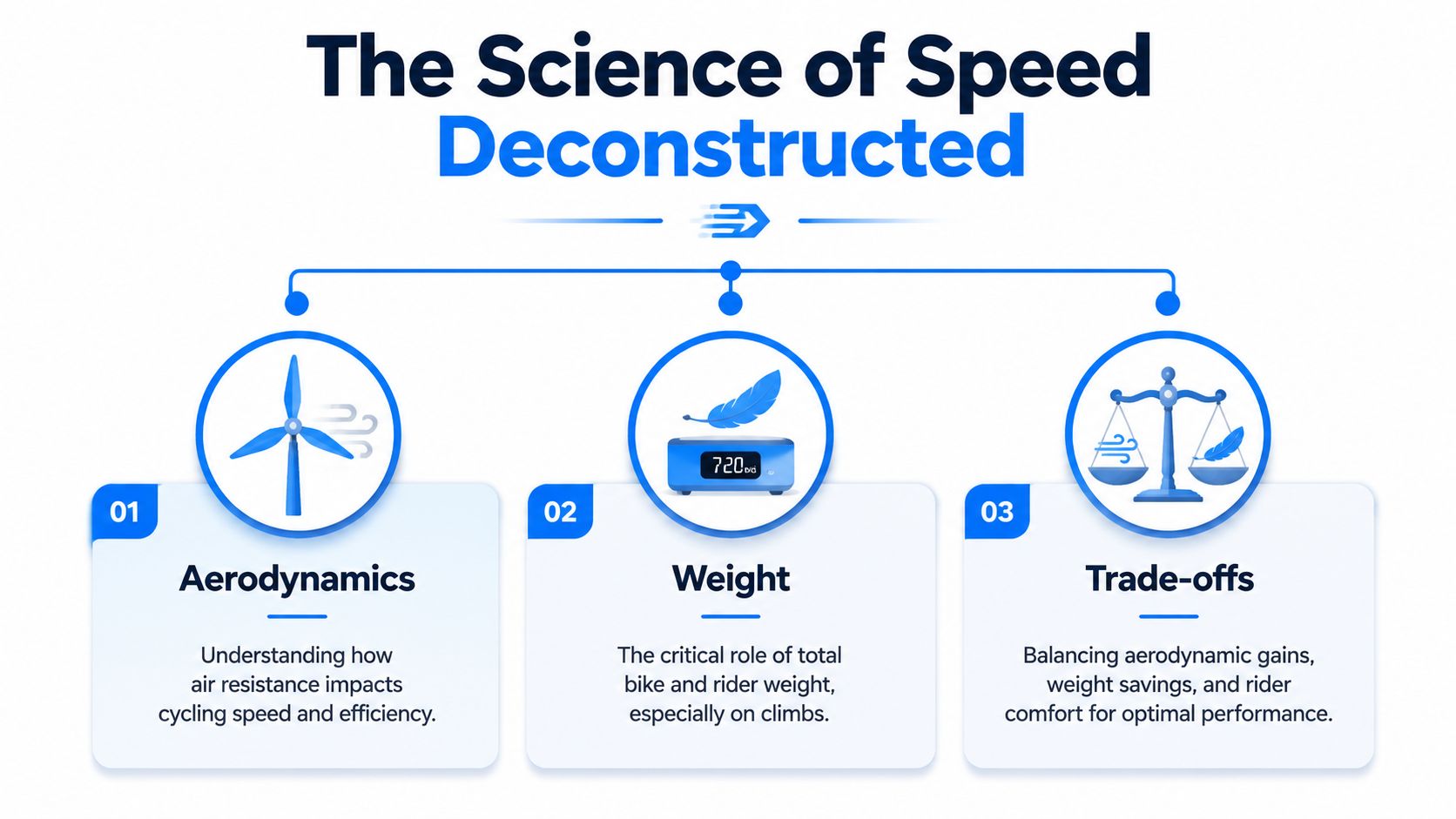
The Science of Speed Deconstructed
Speed on the road is mostly a game of resisting losses. You put power into the pedals. Air, gravity, road surface, and tire deformation all try to take it away.
Aerodynamics usually decides the conversation
At higher road speeds, aerodynamics matters a lot. That includes tube shapes, fork design, cockpit integration, wheel depth, cable routing, and how cleanly the whole rider-bike system moves through the air.
This is also where many 2026 “fastest bike” claims originate. Specialized presents the S-Works Tarmac SL9 as its fastest road bike, or the fastest road bike it has made, on its own product pages and launch materials. That is a brand claim, not a universal conclusion for every rider or every test protocol. When you see a statement like that, the important questions are how the bike was tested, whether the rider was included, which wheels and tires were used, and what speed and yaw conditions were chosen.
Aero still matters in the real world. It just interacts with more variables than a headline usually admits. Gusting wind, body movement, rough surfaces, cornering, fatigue, and pacing all affect whether a theoretical aero gain turns into a real speed gain.
If you want a better feel for why geometry affects speed, this stack and reach guide on SYCLR is the best next read.
Weight still matters, just not everywhere
Weight changes the ride most when gravity becomes a bigger part of the problem. On steep climbs, repeated accelerations, and punchy terrain, lighter bikes usually feel more responsive and less taxing. They are also easier to handle out of the saddle and simpler to move around underneath you.
That does not mean weight wins every speed discussion. On flatter roads, in fast group rides, and in windy conditions, aerodynamics often matters more than a modest frame-weight difference. Riders often overrate weight because they can feel it in the parking lot and underrate aerodynamics because they cannot feel it as directly.
Rolling resistance is the quiet speed factor
Rolling resistance does not get the same attention as aero frames, but it changes road speed in ways riders notice quickly. Tire construction, casing suppleness, tread, width, wheel setup, and pressure all matter. So does road surface.
A road bike with smart tire choice can feel quicker than a more expensive bike running a harsh or poorly chosen setup. This is one reason complete-bike comparisons matter. Two bikes with similar frame pedigrees can deliver very different real-world speed depending on wheels, tire clearance, and whether the build supports the surfaces you actually ride.
Fast is not just about the frame. It is the complete system, including the setup you can actually ride hard for hours.
Compare road bike listings with SYCLR by fit, geometry, price context, and confidence signals.
How Speed Is Measured and Marketed
The bike industry is not wrong to test speed. Problems start when a narrow test result is presented like it answers every rider’s question.
Brand claims are not the same as universal proof
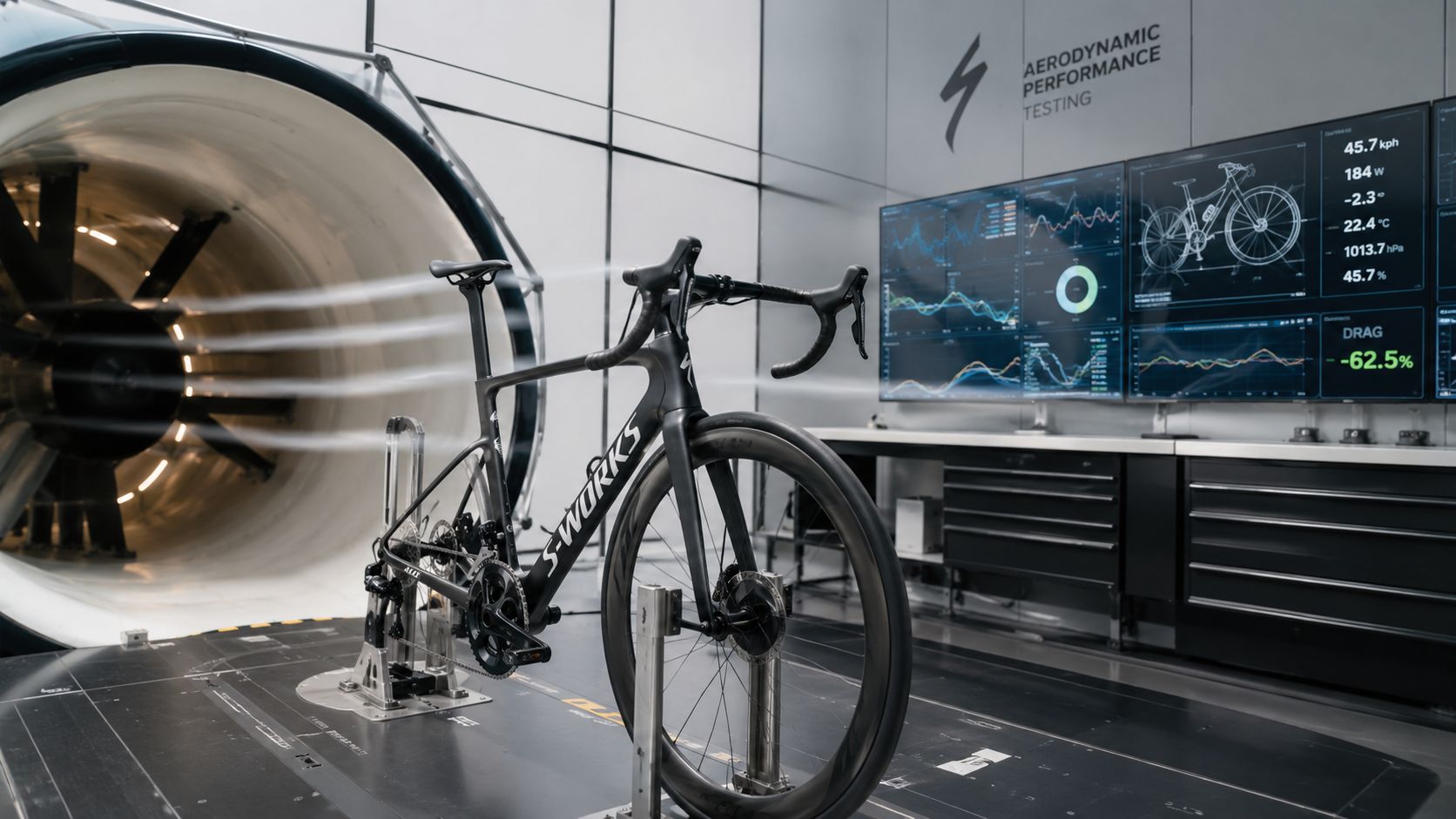
Manufacturer testing can reveal real gains, but it should be read as a controlled result, not a universal answer. Specialized’s Tarmac SL9 messaging is a good example. The company may describe it as its fastest road bike ever made, but that does not mean it is automatically the fastest option for every rider, every route, and every setup.
That distinction matters because test protocols vary. A bike can be tested with a mannequin or a live rider, with or without bottles, at specific speeds, with a specific cockpit width, wheel depth, and tire size. Change those variables and the ranking can change too.
For broader context on how these claims are discussed in the market, see this roundup of wind tunnel comparisons. It is useful as a summary, but it still reflects the limitations of the underlying tests rather than a permanent answer.
TOUR Magazine rankings are specific test results
Independent testing is valuable because it reduces some of the brand-controlled framing. It still needs interpretation.
TOUR Magazine’s wind tunnel rankings are best read as specific test outcomes under TOUR’s protocol, not as a universal verdict on what is fastest for all riders. A chart leader in a controlled wind tunnel setup may not be the fastest purchase for a rider who cannot match the position, does not ride the same terrain, or would need to compromise on size or build.
A helpful summary of those rankings appears here: Tour Magazine wind tunnel rankings summary. The useful takeaway is not that one model is permanently king. It is that “fastest” depends heavily on the protocol.
Factor ONE claims depend on test assumptions
Factor’s ONE has also generated strong speed claims, but those claims depend on specific aerodynamic assumptions, including yaw-angle testing. That does not make the bike slow, or the testing meaningless. It simply means buyers should not treat a marketing claim as universal proof.
When you evaluate a claim like this, ask a few sharper questions:
-
What test condition produced the claim?
-
Was the rider included?
-
Were the gains shown in watts, time, or only as a percentage?
-
Do the chosen yaw angles reflect the wind conditions most riders actually experience?
For context on how those claims have been interpreted, see this analysis of the Factor ONE speed claim and this first ride review of the Factor ONE.
A speed claim can be technically true inside one test setup and still be too narrow to answer a buyer’s real question.
Why Rider Fit Is the Ultimate Speed Upgrade
A fast frame cannot rescue a bad position. The rider has to be able to use the bike.
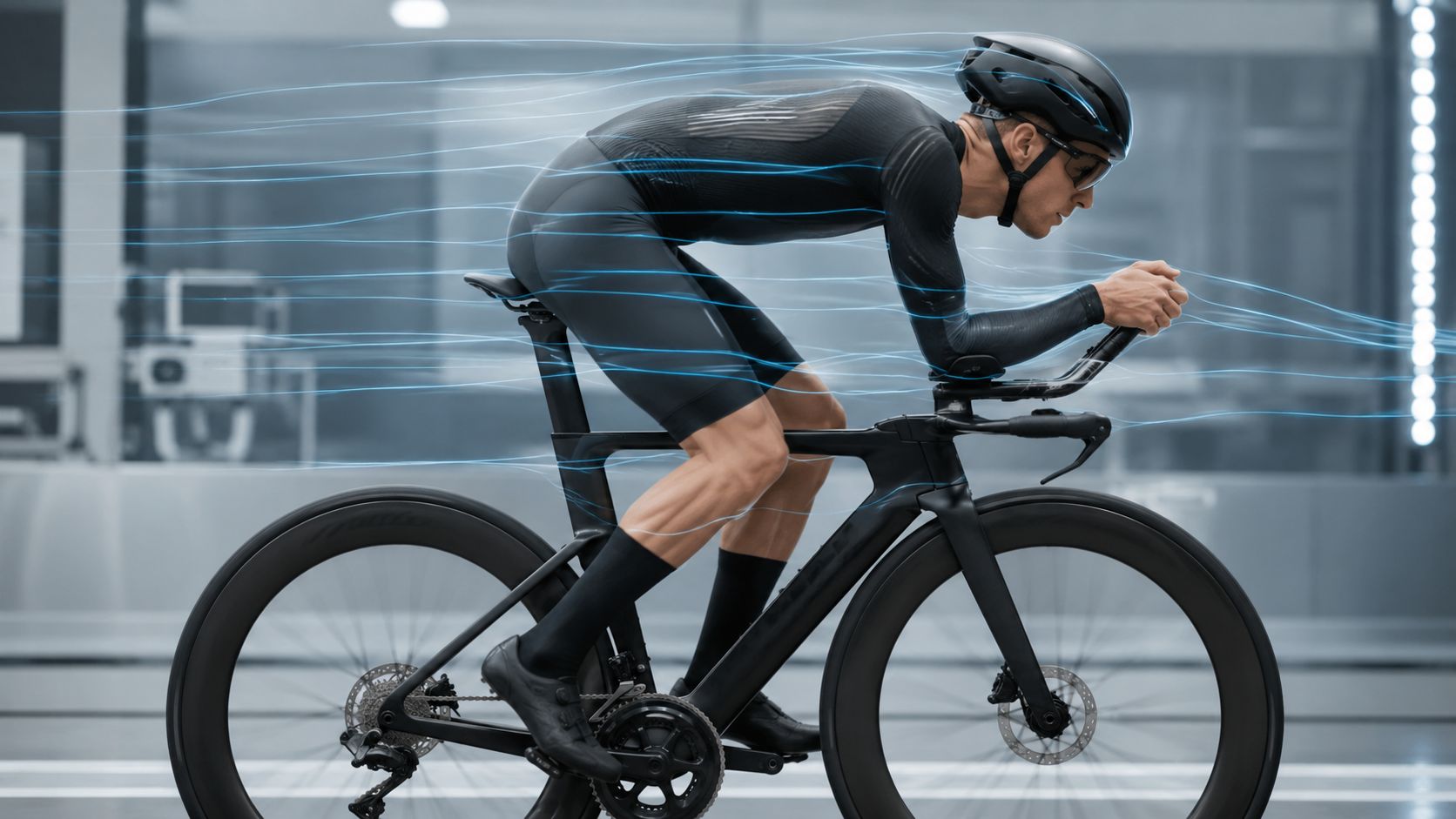
This is the part many fastest-bike debates miss. The real question is not only which bike tested fastest in a tunnel. It is whether you can ride the geometry effectively, produce power in the position, and hold that posture after an hour, two hours, or longer.
Stack and reach shape your position
Stack and reach are the two geometry numbers many buyers should pay more attention to than the frame’s named size. Stack tells you how tall the front end starts. Reach tells you how long it starts. Together, they shape bar height, torso angle, and how much adjustment room you have with spacers and stem choices.
That is why two bikes labeled 56 cm can fit very differently. One may suit an aggressive racer. Another may place the bars higher and shorter, which can be faster for a rider who needs a more sustainable posture.
If you want to understand those numbers before comparing bikes, read Stack and Reach Explained on SYCLR.
Already know your fit details or current bike geometry? Use them to improve your recommendations.
An aggressive bike is not always a faster bike
A lot of riders buy race bikes that are one category too aggressive. It looks fast. It may test fast. But if the position closes the hips too much, overloads the hands, or forces constant posture changes, the rider usually gives speed back in practice.
That is especially true for:
-
Long solo rides: A position you cannot hold stops being aero.
-
Used bike shopping: A great frame in the wrong geometry is still the wrong bike.
-
Rougher roads: A slightly calmer front end can keep power delivery steadier.
-
Intermediate upgrades: Moving from an entry-level road bike to a race bike should include geometry comparison, not just component shopping.
A professional fit can be very useful here. It will not make every aero frame suitable, but it can clarify which coordinates and posture you are trying to replicate.
Here is a useful visual on how rider position changes the speed equation in practice:
The fastest position is the fastest position you can repeat, not the one that looks most aggressive in a product photo.
Choosing Your Fastest Bike: Navigating the Trade-Offs
The “fastest road bike” question becomes useful once you stop treating it like a single-product contest. A bike can test well in a controlled setup and still be the wrong fast bike for your roads, your position, and your budget.
High-end aero bikes make the trade-offs easy to see. Brands like Factor frame speed around drag reduction, low weight, and premium builds, and that can be true within a narrow testing context. Real buyers still need to weigh handling, fit range, serviceability, tire clearance, comfort on rough roads, and whether the bike is still fast after three hours instead of three minutes.
Decision Matrix: What’s Your Fast?
| Priority | Choose This Bike Type | Key Considerations |
|---|---|---|
| Flat fast roads and racing | Aero race bike | Best for riders who can hold a low position and ride roads where aerodynamic gains are easy to use |
| Mixed terrain and climbing focus | All-round race bike or lighter road bike | Better balance for repeated elevation changes, accelerations, and less weight penalty uphill |
| Long fast endurance riding | Endurance road bike | A taller front end and calmer handling can preserve posture and pacing over longer rides |
| Tight budget with speed goals | Used performance road bike with good geometry match | Size, condition, model year, and wheel setup usually matter more than badge prestige |
| Rough pavement or light mixed surface | Modern all-road setup | Wider tires and steadier handling often keep average speed higher on imperfect surfaces |
The pattern is simple. Buy for the speed you can actually use.
A pure aero race bike makes sense if your riding is hard, flat, and sustained. An all-round race bike often makes more sense for rolling routes, frequent climbing, and riders who want sharp handling without the full commitment of an aggressive aero platform. Endurance bikes give away some headline aero appeal, but many riders end up quicker on them over real distances because they stay settled, breathe better, and stop shifting around late in the ride.
Budget changes the answer too. A slightly older performance frame with the right geometry and a good wheel-tire setup can be a faster buy than a newer halo bike in the wrong size. That is especially true in the used market, where condition, previous crash history, cockpit setup, gearing, and tire clearance can matter as much as the frame itself.
Where used bikes can be surprisingly smart
Used shopping rewards riders who compare details instead of labels. "54 cm race bike" tells you very little. Stack, reach, head tube length, tire room, wheel depth, and even stem length can change how fast a bike feels and how much work it takes to hold speed.
It also helps to judge the listing itself. Clear photos, a known model year, sensible component choices, and enough detail to verify fit are all good signs. A premium bike with vague photos and no measurements is harder to judge than a mid-tier bike with honest specs and a geometry chart you can verify.
If you are comparing several candidates, use a tool that helps you assess fit signals, geometry, price context, and listing quality side by side. That is usually more helpful than chasing whichever model currently tops one test chart.
How SYCLR Helps You Compare Faster Bike Options
Fast bike shopping usually breaks down at the comparison stage.

Listings make speed look simple. Aero frame. Deep wheels. Race geometry. In practice, the harder question is whether the bike will let you produce power comfortably, hold your position, and make sense for the price.
SYCLR is best understood as a decision-support tool. It helps you compare road bike listings using fit signals, geometry, price context, model year, listing quality, and source confidence instead of relying on a seller's idea of what counts as "fast." That matters because a bike can look fast in marketing copy and still be the wrong choice once you look at its stack, reach, cockpit setup, or overall condition.
That is especially useful in the used market, where two bikes with similar badges can be very different buys. One listing may have clear photos, sensible parts, and enough information to judge fit. Another may show a premium frame with vague sizing, unknown history, and a setup that will cost money to correct.
Use SYCLR to compare road bike listings by fit, geometry, price context, and confidence signals.
If you already know your fit coordinates or current bike measurements, put those to work. If you do not, you can still narrow the field with better signals than frame size and marketing language alone. The goal is not to promise a universal fastest bike. It is to help you shortlist options that are more likely to be fast for your body, your roads, and your budget.
Frequently Asked Questions About the Fastest Road Bikes
Is an aero bike always faster than a lightweight bike?
Not always. Aero bikes usually make the most sense on flatter, faster routes and in windy conditions. Lightweight bikes can feel better on steeper climbs and repeated accelerations. The faster choice depends on terrain, speed, and whether you can maintain the intended riding position.
Do deep wheels matter as much as the frame?
They can matter a lot, especially on fast road rides. But wheels do not override poor fit, poor tire choice, or the wrong bike category for your terrain. Think in systems, not single parts.
Is a newer road bike always faster than an older one?
No. A well-maintained older performance road bike can still be very quick. If it fits better, has a solid wheel and tire setup, and suits your riding, it may be the smarter buy than a newer bike with the wrong geometry.
Can a professional bike fit help me choose a faster bike?
Yes. A professional fit can clarify the position you are trying to achieve and which geometry ranges are realistic for you. It does not replace bike-shopping tools, but it gives you better inputs when comparing listings.
Does frame size tell me enough to buy online?
No. Frame size is a starting point, not a full answer. Better buying decisions come from added fit details like inseam, stack, reach, current bike geometry, comfort preference, and riding goals.
Should I buy the bike with the best wind tunnel result?
Only if the geometry, budget, and intended use also make sense. A wind tunnel winner can still be a poor purchase if you cannot hold the position or if the price forces compromises elsewhere.
Is the rider more important than the bike?
Yes. Training, pacing, and position usually outweigh equipment differences. But the right bike still matters because it helps you access speed more comfortably, more consistently, and with less guesswork.
If you are trying to define the fastest road bike for your own riding, use SYCLR to compare road bike listings with fit-aware signals, geometry context, model year, listing quality, and confidence signals so you can shortlist smarter and make a more informed buying decision.