One Bike for Road and Gravel: How to Choose the Right Setup
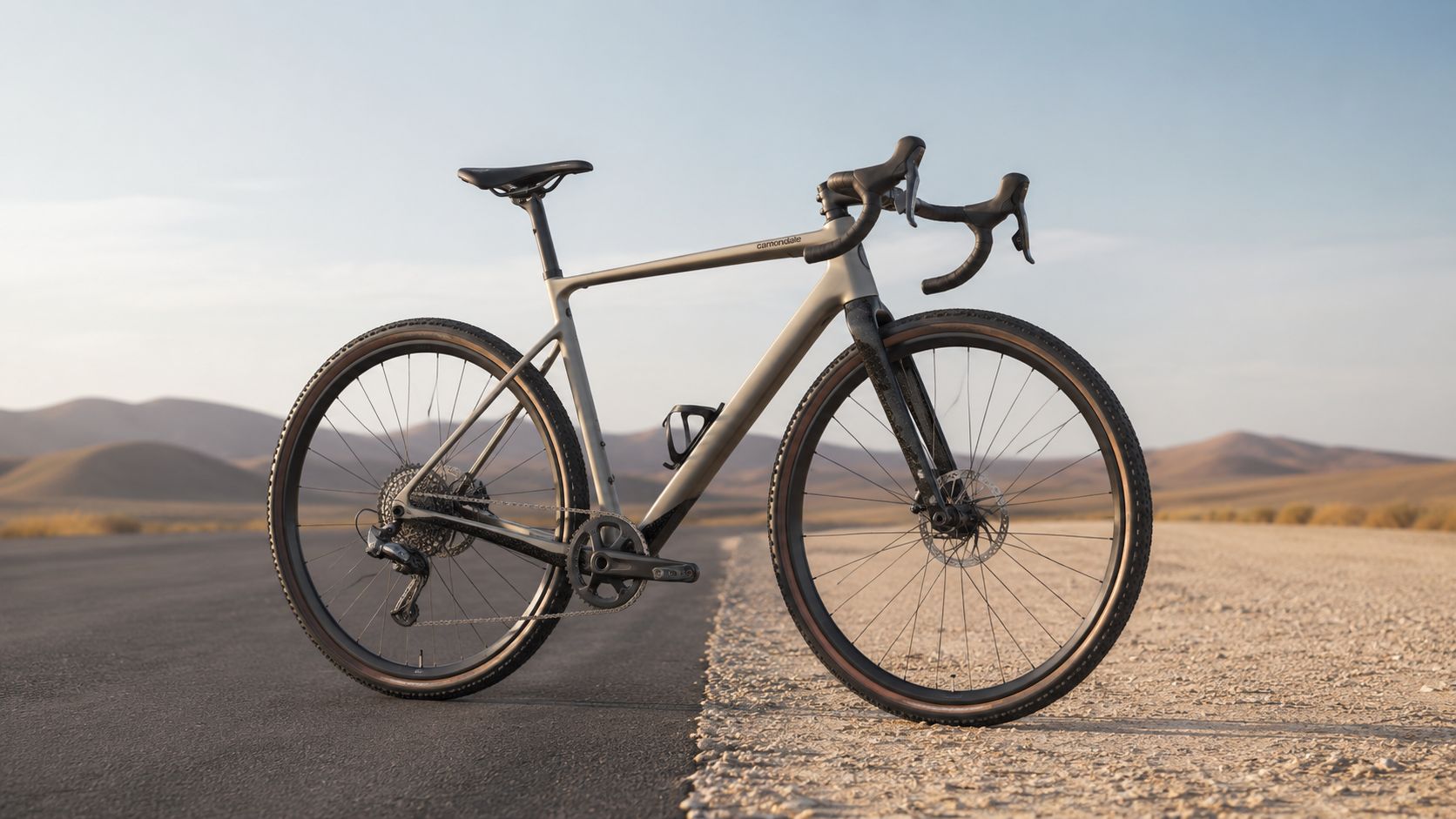
Choose an all-road bike or road-oriented gravel bike if most of your riding is pavement, rough roads, hardpack, and light gravel. It can do both well, but it won't replace a dedicated race road bike or a rough-terrain gravel bike in every situation.
Table of Contents
Direct Answer Can One Bike Cover Road and Gravel
A commuter who rides pavement all week, joins a weekend group ride, and takes the occasional hardpack shortcut can make one bike for road and gravel work. The practical choice is usually an all-road bike or a road-oriented gravel bike, with fit, geometry, tire clearance, and gearing set around the rider's real routes rather than a badge on the frame.
The simple buying rule
If pavement still dominates, choose a bike that feels efficient on the road and still leaves room for light gravel tires. If gravel shows up more often, move a little farther toward the gravel side, but stop short of an adventure build unless the routes really demand it.
Practical rule: buy for the surface you ride most, then verify the surface you want to add.
Modern endurance, all-road, and gravel categories overlap substantially. The most useful distinction is not when each category appeared or how large the market has become. It is whether the exact bike provides the fit, tire clearance, gearing, handling, and component compatibility needed for the rider’s actual route mix.
A good one-bike solution fits well, handles predictably, and preserves road performance without overbuilding for capability you'll rarely use.
Performance Trade-offs Between Road and Gravel Setups
What the road penalty actually looks like
A mixed-surface bike may give up some efficiency compared with a dedicated race road bike on clean, fast pavement. The practical difference depends on rider position, tire construction, tread, tire pressure, wheel choice, gearing, weight, wind, surface, and the exact bikes being compared.
Those figures matter because they match what riders feel in mixed use. A gravel bike can stay close enough on pavement for commuting, solo rides, and steady endurance work, but the road bike still keeps the aerodynamic and weight advantage once the route is clean, flat, and fast.
Why setup changes the result
Road efficiency depends on rider position, tire construction and pressure, tread, wheels, gearing, wind, surface, and the exact bike. Gravel capability depends on tire volume, traction, clearance, handling, gearing, surface severity, and rider skill. The decision comes down to the full setup, not a badge on the downtube.
A road-oriented gravel bike or all-road bike can remain highly efficient on pavement when the fit and tire setup are appropriate. The goal is not to match a dedicated race bike in every condition. It is to preserve enough road performance while adding useful capability on rough pavement, hardpack, and light gravel.
A mixed-surface bike is a compromise only if the compromise does not match the route.
That is why the route mix should drive the decision. If the ride is mostly tarmac with a few rough connectors, a balanced build makes more sense than chasing the most capable gravel frame in the catalog. For a fit-aware comparison, use a geometry reference such as SYCLR's stack and reach guide so the bike choice starts with the numbers that affect comfort and handling, not the label on the downtube.
Fit and Geometry Signals for Mixed-Surface Riding
The numbers that matter
A one-bike solution has to fit the rider before it can do anything useful on road or gravel. Height alone is not enough. The comparison starts with stack and reach, wheelbase, front-center, trail, head tube angle, chainstay length, bottom-bracket drop, standover, and cockpit adjustability.
No single head-tube angle or geometry measurement defines the ideal mixed-surface bike. Steering and stability depend on head-tube angle, fork offset, trail, wheelbase, front-center, tire size, wheel choice, cockpit setup, and rider weight distribution working together.
Compare the exact geometry of the model, size, and year rather than applying universal road-versus-gravel angle ranges.
Representative geometry comparison
| Setup | Stack | Reach |
|---|---|---|
| Road-focused bike | 565 mm | 390 mm |
| Balanced mixed-surface bike | 575 mm | 385 mm |
These numbers are illustrative examples, not a SYCLR average or fit prescription. They show how two bikes can differ slightly in position while still appearing similar on a size chart.
A taller stack and shorter reach may suit some riders, while others may prefer a lower or longer position. The correct choice depends on body proportions, flexibility, current-bike fit, cockpit setup, route duration, and riding goals.
That is why the exact model, exact size, and exact year matter more than the category label. All-road and endurance geometry can overlap, and road-oriented gravel geometry can overlap with all-road. When you compare used listings, the decal on the top tube tells you less than the geometry chart underneath it.
If stack and reach feel abstract, start with bike stack and reach basics and use that to judge whether a listing fits your body and your road-to-gravel split.
Tire clearance sets the ceiling
Tire clearance sets the practical limit of a one-bike setup, but there is no universal category cutoff.
For pavement and light gravel, riders often consider tires in a representative range around 32 to 38 mm:
approximately 32 to 35 mm for road-leaning routes
approximately 35 to 38 mm when rough pavement and hardpack appear more often
These are starting points, not compatibility rules. The correct tire depends on surface severity, casing, tread, pressure, internal rim width, measured tire width, rider and cargo weight, and the frame’s official clearance.
Verify the exact model year’s front and rear limits and leave appropriate room for debris and tire variation. The dedicated tire-clearance guides should handle the full compatibility discussion.
Verify the frame, not just the label
Before buying, check the official manufacturer maximum clearance, the measured tire width, the internal rim width, the front and rear limits, and whether there's enough mud and debris room for the exact model year. A tire that measures larger than its label can create fit surprises, especially on used bikes with wider rims.
One wheelset can work fine if you choose a moderate-width tire and adjust pressure for the route. Two wheelsets can reduce compromise, though, if the frame, brakes, cassette, rotors, and axle standards all line up.

The parts that change feel most
Gearing matters because road-focused gearing suits fast paved riding, while broader or lower gearing helps on steeper or looser gravel. Brake choice matters because disc brakes are the common practical pick for consistent wet and dry stopping, especially if the bike sees varied surfaces. If you're comparing used bikes, compatibility details matter far more than the category label, and this all-road versus gravel bike comparison helps frame the trade-offs around tire room, gearing range, and brake setup.
Road Efficiency versus Gravel Capability
Where the compromise works
A one-bike setup works best on paved roads, chipseal, broken pavement, maintained dirt roads, hardpack, smooth gravel, and short light-gravel connectors. That is the range where an all-road bike or a road-oriented gravel bike can feel like a practical tool instead of a forced compromise.
The setup becomes less suitable as the route gets rougher and the rider expects more from it. Deep loose gravel, mud, rocky technical terrain, large drops, loaded bikepacking, highly competitive road racing, and demanding gravel racing all sit outside the sweet spot for a mixed-use bike. The setup may be less suitable depending on the route and your expectations.
Picking the category by route mix
An all-road bike may be the strongest match when pavement remains the priority and light gravel appears occasionally. A road-oriented gravel bike may fit better when mixed surfaces appear regularly but efficient road riding still matters. An endurance road bike can also work when the official clearance supports the intended tires and the unpaved sections remain relatively smooth.
Adventure-oriented gravel bikes may provide capabilities that are unnecessary for pavement-focused riders, such as greater tire volume, lower gearing, more mounts, or rough-terrain handling. Those features are valuable when the route requires them, but they should not be treated as automatically better.
Used-Bike Buying Considerations and Category Comparison
Comparison Table
| Decision factor | Endurance road bike | All-road bike | Road-oriented gravel bike | Best match when |
|---|---|---|---|---|
| Primary purpose | Long paved rides and road-focused use | Pavement with rough-road and light-gravel flexibility | Frequent mixed-surface riding with road use retained | Match the category to the dominant route |
| Rider position | Model and size dependent | Model and size dependent | Model and size dependent | The exact stack, reach, and cockpit fit the rider |
| Road efficiency | Often a strong design priority | Can remain highly road efficient | Depends heavily on tires, wheels, and position | Pavement pace and group riding matter |
| Tire clearance | Often road oriented, but increasingly broad | Often moderate to broad | Often broader, but model dependent | Official clearance supports the intended tires |
| Light gravel | Possible when clearance and setup support it | Often a core use case | Often a core use case | Hardpack and smooth gravel appear regularly |
| Gearing | Often road focused | May use road or broader mixed-use gearing | May offer broader or lower gearing | Terrain and climbing demands determine the range |
| Handling | Model dependent | Model dependent | Model dependent | Compare wheelbase, trail, tires, and cockpit |
| Group rides | Often well suited | Can be well suited | Can work when setup remains road oriented | Road pace and tire choice align |
| Rough pavement | Depends on fit and tire setup | Often a design priority | Often handled well with suitable tires | Broken pavement and chipseal are frequent |
| Wheel options | Depends on frame and standards | May support multiple setups | May support multiple setups | Compatibility is verified before purchasing parts |
| Mounts | Often limited, but model dependent | May provide additional utility | Often more common, but not universal | Bottles, bags, racks, or fenders are needed |
| Carrying capacity | Depends on manufacturer limits | Depends on manufacturer limits | Depends on manufacturer limits | Published cargo and system limits suit the use |
| Used compatibility | Depends on year, brakes, axles, wheels, and drivetrain | Depends on the same factors | Depends on the same factors | Standards and replacement parts are clear |
| Used-listing risk | Verify fit, clearance, condition, and compatibility | Verify fit, clearance, condition, and compatibility | Verify fit, clearance, condition, and compatibility | Favor the clearer, better-documented listing |
| Overall value | Strong when pavement specialization is useful | Strong when road and light-gravel flexibility is useful | Strong when mixed surfaces appear frequently | The complete bike covers the rider’s real routes |
A used bike should be judged by brand, model, year and generation, size, stack and reach, official tire clearance, wheel compatibility, brake type, axle standards, drivetrain, wheels, component changes, condition, fit, and listing completeness. A clean title and decent photos are insufficient if the geometry or tire clearance does not match your plan.
That is the practical divide on the used market. A bike can look right in photos and still be wrong on the road if the frame runs too long, too low, or too tight for the tires you want to run.
The exact drivetrain and clearance matter more than broad road-versus-gravel assumptions. Verify the lowest gear, cassette and derailleur compatibility, official tire clearance, wheel standards, and any component changes made by the seller.
Stack and reach tell you whether the position will feel sustainable, tire clearance tells you whether the bike can take the rubber you need, and the drivetrain tells you how the bike behaves when the surface turns rough or the climbs get longer.
The offer logic is straightforward. Comparable value minus condition risk minus fit uncertainty minus compatibility risk minus listing uncertainty equals a more realistic offer range. That works especially well on marketplaces where the seller may not understand geometry or may leave out important details.
If you're narrowing used options, the used gravel bikes guide helps with fit-aware screening.
How SYCLR Helps and Practical FAQs
SYCLR helps compare road, all-road, and gravel listings using fit signals, geometry signals, model-year context, tire-clearance information, price context, listing quality, and confidence signals. Start with your height, bike type, and budget, then narrow by the details that matter most when one bike has to do more than one job.
It doesn't guarantee terrain capability, verify tire compatibility, detect damage, or replace a professional fit or mechanical inspection. It does help reduce guesswork before you open a seller message or drive across town to look at a bike.
One Bike for Road and Gravel FAQ
What is the best bike for both road and gravel?
An all-road bike or road-oriented gravel bike is often the strongest starting point. An endurance road bike can also work when official tire clearance supports the route. The correct choice depends on fit, terrain, tire needs, gearing, and road-versus-gravel frequency.
Can a road bike be used on gravel?
Yes, on smooth or light gravel if the frame's official clearance and the route are appropriate. Rough or loose terrain changes the picture fast.
Is a gravel bike slow on pavement?
It can feel slower than a road bike on clean pavement, but the gap depends on the exact bike, tires, pressure, and riding position.
What tire width works for road and light gravel?
A representative range is 32 to 38 mm, with 32 to 35 mm leaning road and 35 to 38 mm leaning rougher-road comfort.
Is an all-road bike the same as a gravel bike?
Not necessarily. All-road bikes are usually more road oriented, while gravel bikes often provide broader mixed-surface capability. The categories overlap, so compare the exact geometry, clearance, gearing, tires, and model year.
Do I need two wheelsets?
Not necessarily. One wheelset can work well. Two wheelsets just reduce compromise if the frame and components are compatible.
Can SYCLR help find one bike for road and gravel?
Yes. It helps compare listings by fit, geometry, model-year, tire-clearance, and price signals so you can shortlist better-fit options before buying.
If you are looking for one bike for road and gravel, start with your height, bike type, and budget in the SYCLR app. Compare available fit signals, geometry signals, tire-clearance information, model-year context, price context, listing quality, and confidence signals before building your shortlist.
Already know your stack, reach, current-bike geometry, or fit-report details? Use the advanced fit entry to improve your recommendations.