Shimano 105 vs Ultegra: Which Groupset Should You Choose?
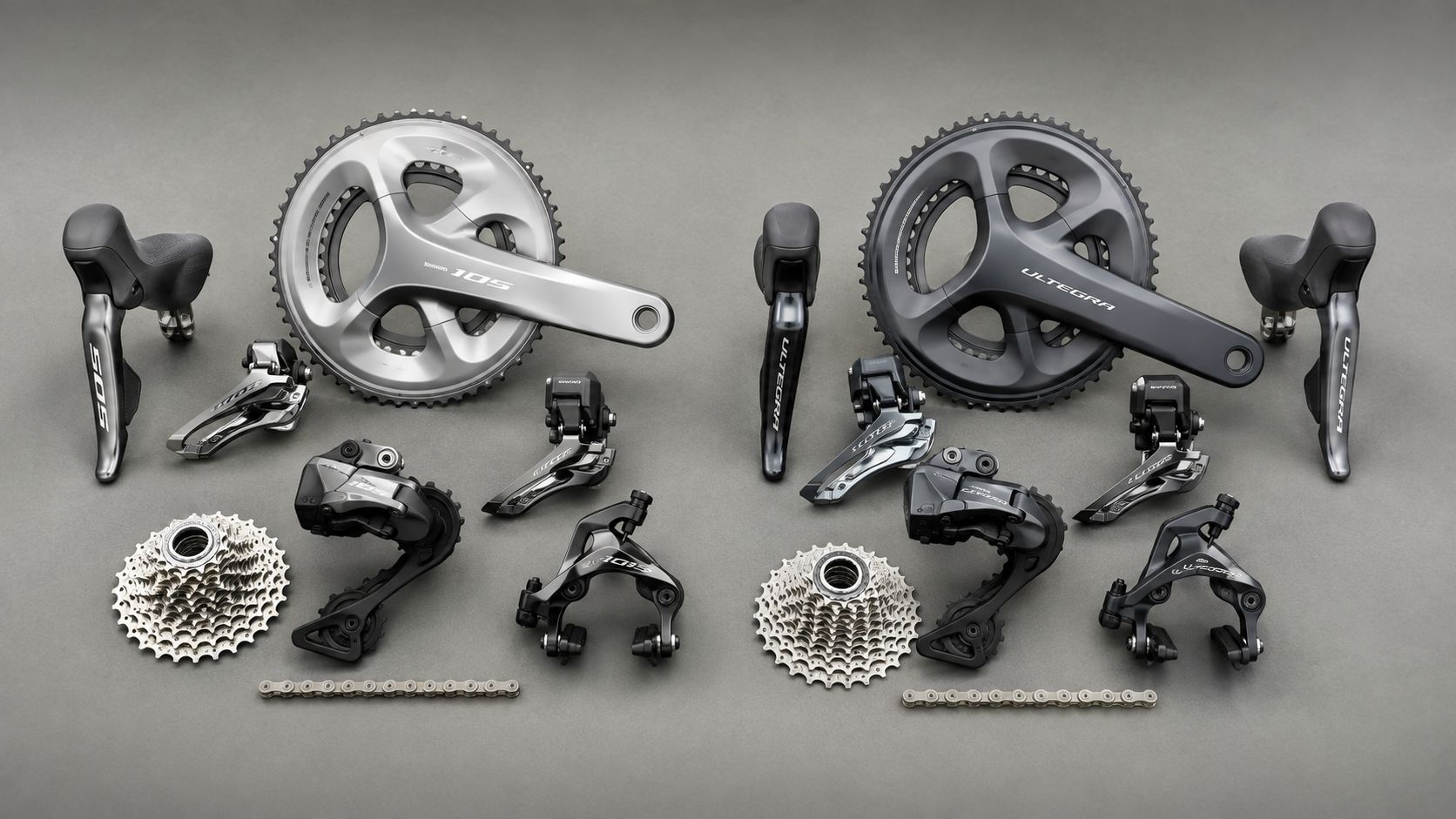
Most shoppers start with the wrong question. They ask whether Shimano 105 or Ultegra is “better,” then ignore the frame, size, wheelset, condition, and asking price. That's backwards. A well-fitting 105 bike with the right geometry and clean condition is usually a smarter buy than a poorly matched Ultegra bike, and a newer 105 Di2 build can be a better complete-bike choice than an older Ultegra setup.
| Specification | Shimano 105 R7100 | Shimano Ultegra R8100 |
|---|---|---|
| Speeds | 12-speed | 12-speed |
| Shifting | Mechanical or Di2 | Di2 |
| Di2 architecture | Semi-wireless cockpit | Semi-wireless cockpit |
| Cassette options | Verify exact current Shimano options | Verify exact current Shimano options |
| Relative weight | Heavier | About 300 g lighter than 105 Di2 |
| Integrated Shimano power meter | No equivalent 105 option | Available with FC-R8100-P |
| Positioning | Performance-oriented value | Higher-tier, lighter road group |
| Best buying approach | Compare complete bike, generation, fit and condition | Compare complete bike, generation, fit and condition |
Table of Contents
- Why the Groupset Badge Is the Wrong Place to Start
- Where 105 and Ultegra Sit in Shimano's Road Hierarchy
- Side-by-Side 105 and Ultegra Comparison
- Shimano 105 Di2 vs Ultegra Di2 current 12-speed generation
- Shifting and Braking in Real Riding
- Reading 105 and Ultegra on the Used Market
- Which Rider Should Choose Each Groupset
- Is Ultegra Worth the Premium and How SYCLR Helps You Compare
Why the Groupset Badge Is the Wrong Place to Start
Start with the frame, the fit, and the bike's condition. The badge on the shifters comes after that. Fit, frame geometry, model year, wheels, condition, and price context shape the ride far more than whether the drivetrain says 105 or Ultegra. Ultegra sits above 105 in Shimano's road lineup and is lighter in the current generation, but hierarchy position alone does not determine which complete bike is the better purchase.
Practical rule: if the fit is wrong, the groupset label does not rescue the bike.
A bike that fits your body and the terrain you ride will usually feel better than a nicer-looking spec sheet. That matters even more on the used market, where condition and seller honesty can wipe out any paper advantage a higher-tier groupset claims. An Ultegra bike with worn parts, a weak service record, or the wrong size is still a bad buy.
Treat the drivetrain badge as a filter, not a verdict. Check the frame first, then the exact generation, then the seller's evidence. If you want the hierarchy behind the badge, Shimano's road lineup belongs in that context, not as the starting point for the purchase. The detailed hierarchy page on SYCLR's Shimano groupset hierarchy guide shows that placement clearly.
Where 105 and Ultegra Sit in Shimano's Road Hierarchy
Both groups sit in Shimano's performance road range, and that matters more than the badge on the lever body. 105 is the value-focused choice, while Ultegra is the higher-tier, lighter option in Shimano's current road lineup. The placement is clear in SYCLR's Shimano groupset hierarchy guide, which is the right place to start if you want the lineup in context.
What the hierarchy means on a spec sheet
On a complete bike, Ultegra often shows up on builds with a higher overall spec, but that is a pattern, not a rule. The frame can still come from the same shape family, the wheels can still be mid-level, and the geometry can still be right or wrong for the rider. If you chase the badge first, you can spend more money on a bike that fits no better and may offer little practical benefit for that buyer.
The hierarchy matters because it tells you where Shimano is drawing the line between value and refinement, not because it declares a winner before you inspect the whole bike. Older mechanical Ultegra is not automatically better than newer 105, because the current 12-speed generation has narrowed the gap in a real way. Shimano's current spec tables show both groups using 12 speeds, and their modern Di2 families share closely related road architecture, which is why the generation matters as much as the name on the parts. Shimano's 105 and Ultegra comparison shows that shared structure in the current lineup.
Don't overread the family name
Ultegra sits higher in the lineup, but higher does not automatically mean smarter for a given rider. A better-fitted 105 bike with the right size and cleaner condition will usually be the better road bike, especially if the frame, wheels, and service history are already solid. Use the hierarchy to compare spec, then judge the complete bike on fit, generation, and condition.
Side-by-Side 105 and Ultegra Comparison
On paper, 105 and Ultegra sit close enough that the badge can fool buyers into chasing the pricier one without checking the bike underneath. That is the wrong order. Start with the frame size, geometry, wheel condition, and how well the bike has been kept. If those are wrong, Ultegra does not save the purchase. If those are right, 105 already gives most riders what they need.
The split is in refinement, weight, and trim level, not in some dramatic leap in road use. Ultegra usually lands on better-equipped builds, but that is a build choice, not a law of Shimano's lineup. A clean 105 bike with the right fit can ride better than a tired Ultegra bike with the wrong frame size or worn parts. The badge does not fix poor fit, and it does not hide neglect.
On a complete bike, the groupset name should be a secondary filter. Check whether the bike size matches your position, whether the frame suits your riding, and whether the condition justifies the asking price. Once those boxes are checked, then compare 105 and Ultegra as a parts question. If you start there first, you are shopping backwards.
Shimano 105 Di2 vs Ultegra Di2 current 12-speed generation
| Feature | 105 Di2 R7100 | Ultegra Di2 R8100 |
|---|---|---|
| Speeds | 12 | 12 |
| Electronic shifting | Yes | Yes |
| Wireless shifter-to-derailleur communication | Yes | Yes |
| Central Di2 battery | Yes | Yes |
| Hydraulic disc braking | Yes | Yes |
| Relative system weight | Heavier | About 300 g lighter |
| Shimano power-meter crank option | No equivalent 105 option | Available |
| Main buying question | Is the complete bike better value? | Are the lower weight and added features worth the premium? |
The headline is simple. Current 105 Di2 and Ultegra Di2 are built on the same modern 12-speed platform, so the difference isn't a dramatic shift in functionality. Shimano's own tables show the shared 12-speed layout and very similar cassette ranges, which is why the “Ultegra shifts better” claim is usually overstated for normal riders. Shimano's current 12-speed comparison points to the same architecture.
The measurable weight difference is real, but it should be interpreted in the context of the complete bike. Shimano states that current Ultegra R8100 is about 300 g lighter than 105 R7100 Di2. Whether that matters enough to justify a higher complete-bike price depends on the rider, the rest of the build, and the specific listings being compared.
What those numbers mean for a buyer
That price-to-weight gap is real, but it's not magic. You're paying for lighter hardware, nicer finishing, and a power meter option on Ultegra, not for a whole new riding experience. For many riders, that is a fine upgrade. For most shoppers, it's a premium, not a necessity.
Buyer consequence: if two bikes fit equally well, Ultegra may justify the extra money when you care about lighter parts and premium spec. If the Ultegra bike is the wrong size, the 105 bike wins.
The weight advantage is concentrated in the parts you'd expect, crank, derailleur, cassette, and brake hardware. It doesn't change the way the bike is sized, and it doesn't fix a frame that's too long, too tall, or poorly suited to your terrain.
Shifting and Braking in Real Riding
Current 105 Di2 and Ultegra Di2 share Shimano's 12-speed electronic road architecture, so buyers should avoid assuming that hierarchy position alone produces a dramatic shifting difference. Shimano itself describes 105 Di2 as using technology derived from Ultegra and Dura-Ace.
In a complete-bike comparison, setup and condition also matter. Brake adjustment, rotor condition, drivetrain cleanliness, firmware, derailleur alignment, and component wear can affect how either system performs. Compare the exact bikes rather than treating the groupset name as a ride-quality guarantee.
How they feel in the saddle
If you compare two bikes in person, shift them under normal load, then check the brake lever feel, rotor rub, and how cleanly the drivetrain runs. Ultegra does not give you some secret road sensation. It is still Shimano road Di2, just lighter and a bit more polished.
The honest summary is simple, 105 gets you the core experience, Ultegra trims weight and adds finish. If you are buying a complete bike, that finish only matters after the frame, fit, and condition already check out.
What to budget for
The exact replacement price depends on the exact generation and the exact part. That's the point. Ultegra consumables and crash replacements usually cost more than 105 equivalents, but the useful question is not “which group lasts longer,” it's “what will I have to replace on this specific bike?” A complete-bike buyer should care about the condition of the cassette, chain, chainrings, brake pads, and derailleur pulleys before worrying about the badge.
Here's the practical shortlist:
Chain wear: check the chain first, because it affects the rest of the drivetrain.
Cassette condition: inspect wear and confirm whether shifting remains consistent under load.
Chainring wear: inspect the teeth and verify drivetrain performance rather than judging wear from tooth shape alone.
Brake hardware: check lever feel, pad thickness, rotor condition, and hose routing.
Di2 parts: confirm the battery charges and both derailleurs respond cleanly.
Why the service bill matters more than the tier
A current 105 Di2 or Ultegra Di2 bike doesn't make maintenance disappear. It just shifts the discussion from cable stretch to electronic consistency and part replacement pricing. A well-maintained drivetrain can make a higher asking price more defensible than a neglected higher-tier system that needs immediate service.
Reading 105 and Ultegra on the Used Market
Used listings love to blur details. “Ultegra equipped” might mean the shifters and derailleurs are Ultegra, while the crank, cassette, or brakes are mixed. “105 groupset” may include replacement or mixed components that differ from the bike's original factory specification. That's why the badge on the title line is not enough. If you're buying used, start with the drivetrain in the photos, then verify the exact generation and service condition. SYCLR's used road bike guide is the right broader context for that kind of search.
What to verify before trusting the listing
Check the visible parts one by one, not just the headline.
Shifters: confirm the model family and whether they're mechanical or Di2.
Derailleurs: match front and rear derailleurs to the claimed generation.
Crankset: look for the correct family and tooth pattern.
Cassette: check the range and wear.
Brakes: inspect calipers, rotors, and hose routing.
Chain: look for rust, grime, and stretch indicators.
Component substitutions: note any mixed-tier parts.
Model generation: confirm whether the bike is current 12-speed or an older 11-speed build.
Why older Ultegra doesn't automatically win
An older Ultegra bike can be a worse purchase than a newer 105 bike if the frame size is off or the drivetrain is worn. A clean newer 105 build may offer better value than an older Ultegra bike when its generation, condition, compatibility, and complete-bike specification better suit the buyer. That's especially true when the seller's photos are thin or the service history is vague.
The badge matters less than the evidence. If the listing can't show you the exact parts, assume the seller wants you to fill in the gaps yourself.
In used-bike shopping, the right order is still frame, fit, condition, then groupset. The badge comes after those checks, not before.
Which Rider Should Choose Each Groupset
The badge is the last thing to judge. 105 is the sensible pick for riders who want strong performance without paying extra for a lighter nameplate. Ultegra is for buyers who care about the lighter build, the more refined finish, or the power meter option on certain builds. The premium lands in the parts you can feel and weigh, not in a dramatic change in how the bike fits your body.
Start with the bike, not the groupset.
Good fit for 105
Buyers prioritizing complete-bike value
Riders who do not need Ultegra-specific features
Used-bike shoppers comparing condition and fit first
Buyers who would rather allocate budget elsewhere on the bike
105 also makes sense when the rest of the bike is the better deal. A correctly sized frame, clean service history, and sensible wheel choice will matter more than stepping up to Ultegra on a bike that already fits poorly or has tired parts.
Good fit for Ultegra
Buyers prioritizing lower groupset weight
Riders who specifically want available Ultegra features such as Shimano's integrated power-meter crank option
Buyers comparing otherwise closely matched bikes
Riders for whom the added cost is justified by the specific build
Ultegra earns its place when the whole bike is already in order. If the frame is right, the condition is clean, and the build is otherwise comparable, the lighter and more polished package is a fair reason to spend more.
The hard line
When one bike clearly matches your fit requirements better, that difference should generally outweigh the groupset badge. Fit beats badge, and a clean frame in the right size beats a prettier drivetrain on the wrong bike. If both bikes are equal in fit and condition, Ultegra is the nicer buy when you want the lighter, more refined package.
Is Ultegra Worth the Premium and How SYCLR Helps You Compare
Ultegra is worth the premium when you'll use what it adds, mainly the lighter build, the higher-tier finish, and the extra feature options on some spec sheets. It is not worth the premium if the money would be better spent on the right size, better wheels, or a cleaner used bike with fewer unknowns. The used-bike pricing problem is exactly why SYCLR's used bicycle value guide belongs in the comparison process.
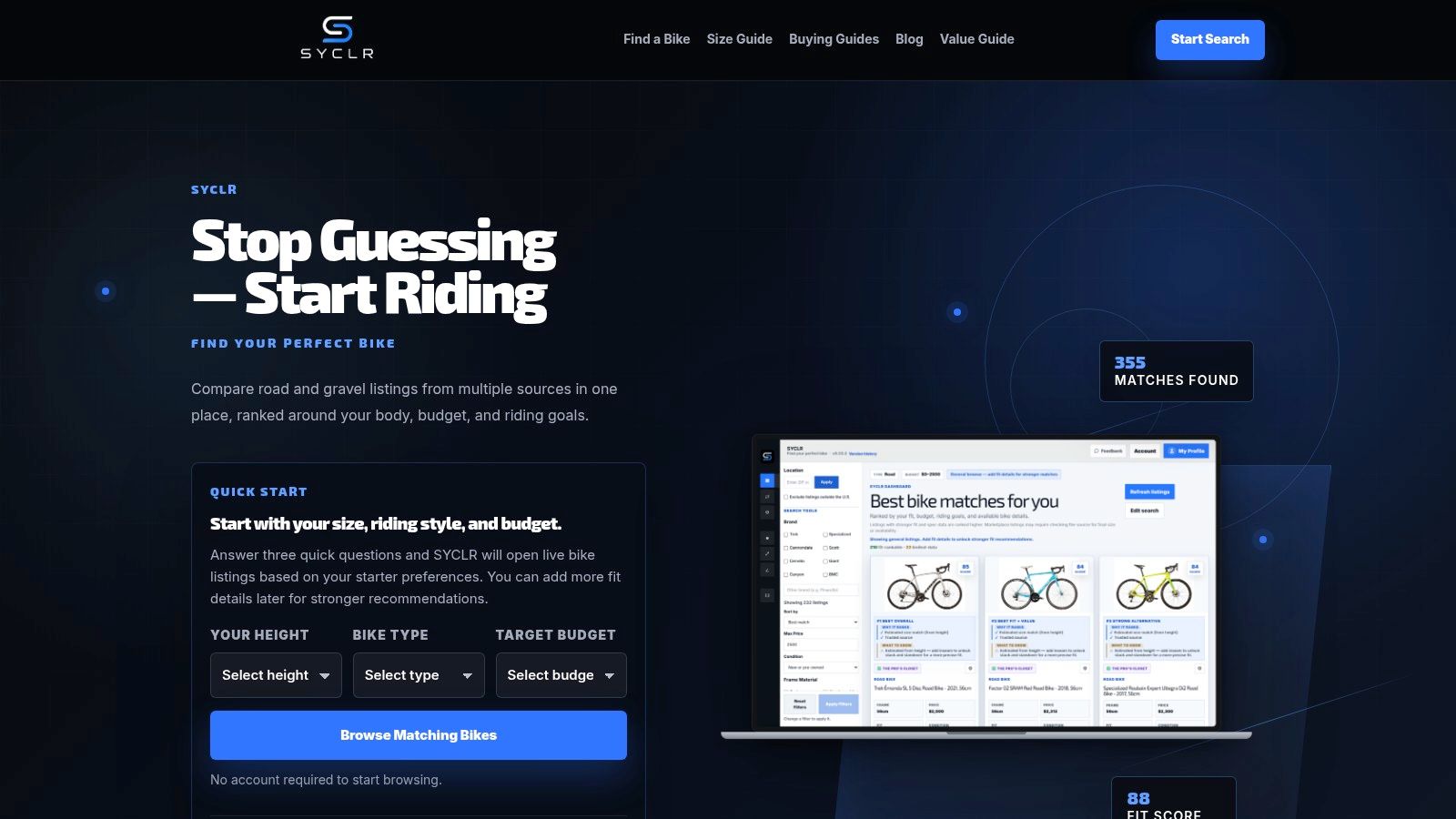
The smarter workflow is simple. Start with height, bike type, and budget, then use fit and geometry signals, model-year context, price context, and listing quality to compare the complete bike, not just the drivetrain badge. If you already know your numbers, you can go deeper with stack, reach, and fit details instead of guessing from the title line.
A fit-aware comparison tool saves time. It helps you shortlist better-fit road-bike listings instead of falling for the prettiest spec sheet. For riders who already know their geometry targets, the advanced fit entry point is the faster route, but for most shoppers the first pass should still be the complete-bike comparison.
Shimano 105 vs Ultegra FAQs
Is Ultegra better than Shimano 105?
Ultegra sits above 105 in Shimano's road hierarchy and the current R8100 system is lighter, but that does not automatically make an Ultegra-equipped bike the better purchase. Compare the complete bike, fit, condition, generation, wheels, and price.
Is Ultegra worth the extra money?
It can be when the lower weight or Ultegra-specific features matter to you and the rest of the bike is equally strong. If the 105 bike fits better or offers better overall value, the higher-tier badge may not justify the premium.
Is Shimano 105 heavier than Ultegra?
Yes. Shimano states that current Ultegra R8100 is about 300 g lighter than 105 R7100 Di2.
Is 105 Di2 as good as Ultegra Di2?
Both use Shimano's current 12-speed electronic road platform, but they are not identical groupsets. Ultegra is lighter and offers some higher-tier component options. The better choice depends on the complete bike and buyer priorities.
Is older Ultegra better than newer 105?
Not automatically. Generation, condition, speed count, shifting architecture, compatibility, fit, and complete-bike specification matter more than comparing family names alone.
Which is better when buying a used road bike?
Choose based on the complete listing. Verify frame fit, model year, exact component generation, wear, substitutions, wheels, service history, and asking price before allowing the 105 or Ultegra badge to influence the decision.
If you're choosing between Shimano 105 and Ultegra, compare the complete bike before the groupset badge. Use the SYCLR app to compare available road-bike listings using fit signals, geometry signals, model-year context, price context, listing quality, condition signals where available, and confidence signals.