
Race Bike vs Aero Bike: Which Fits Your Riding
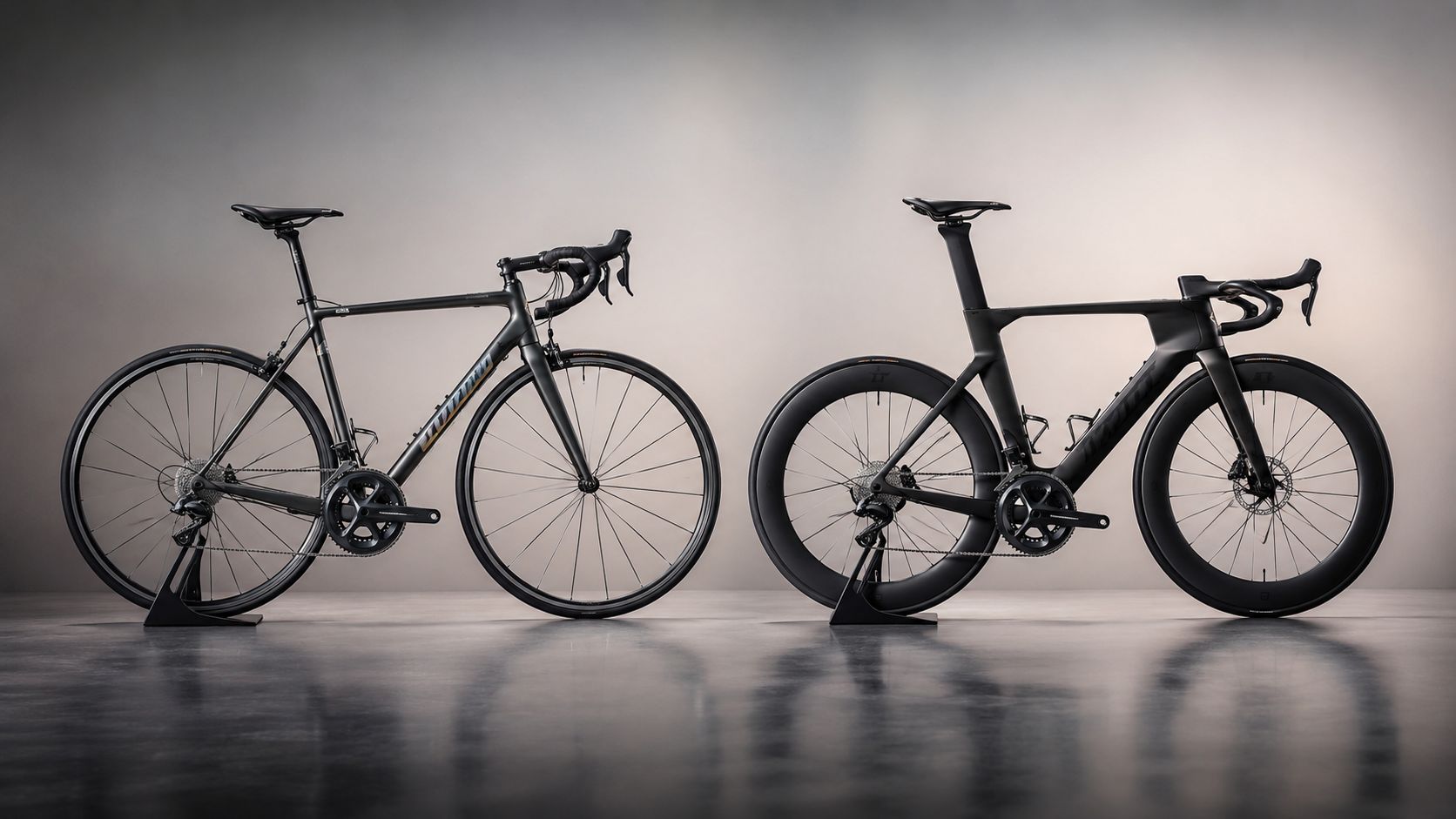
Choose an all-round race bike if your routes are varied, climbing-heavy, or fit-sensitive. Choose an aero bike if you ride fast, mostly flat or rolling roads, and you can already hold the intended position without fighting the cockpit.
Table of Contents
The Direct Answer and What Each Bike Actually Is
An all-round race bike is often the more versatile choice for riders whose terrain, pace, and fit needs vary. An aero bike makes more sense when the ride is fast, sustained, and mostly paved, and when you can already hold the intended position comfortably.
That's the whole decision in plain language. Aerodynamic frames can reduce drag under the right conditions, but the real benefit depends on rider position, speed, wind, terrain, wheels, tires, and the exact bike.
A race bike is the balanced performance road bike. It usually aims for responsive handling, lower system weight, and a position that's easier to dial in across training, racing, group rides, and hilly routes. An aero bike is also a race bike, but it specializes in reducing drag with deeper tube shapes, more integrated parts, and a lower frontal position.
Practical rule: if you need a lot of spacer changes, stem swaps, or cockpit compromise, the aero frame is already working against you.
The clean way to think about it is balanced performance versus aerodynamic specialization. Aero bikes can absolutely be faster in the right setup, but the right pick still depends on fit, geometry, terrain, model year, and cockpit adjustability, not on which category sounds more serious.
When an All-Round Race Bike Makes More Sense
Mixed terrain favors the simpler bike
Choose the race bike when your rides are a mix of flats, rollers, short climbs, and punchy group rides. That's the bike that tends to feel right when you're accelerating out of corners, changing pace on a climb, and then settling back into a steady tempo on the flat.
A race bike is also the better call if you're buying used and the listing doesn't give you much confidence. Some all-round race bikes use more conventional components, but many modern race bikes are highly integrated too. Verify the exact cockpit, seatpost, routing, and replacement-part availability rather than relying on the category label.
Here's the buyer consequence. The race bike may not look as slippery as an aero frame, but it's often the cleaner real-world purchase because it asks less of your body and less of the listing.

Fit uncertainty pushes the decision toward race geometry
If you know that you prefer a taller front end, more cockpit flexibility, or a less restrictive position, the all-round race bike may be easier to adapt. The correct choice should still be based on the exact geometry and, when needed, advice from a qualified bike fitter.
The lighter, less integrated package also helps when you're not sure what position you can hold for two hours, let alone all day. That uncertainty matters more than category labels. A sustainable position may matter more in practice than a theoretical frame advantage.
Aero bikes can still be the wrong answer for riders who want one machine for training, climbing, group rides, and racing. In that case, balanced performance may be the stronger match when the rider needs one bike for varied terrain and use cases.
The best-used-bike bargain is the one you can fit cleanly without expensive cockpit changes.
When an Aero Bike Makes More Sense
Speed first, flat roads second
Pick the aero bike when your riding is fast, sustained, and mostly paved. That's where drag dominates and where deeper tube shapes, truncated airfoils, internal routing, and a lower front end start to earn their keep.
The strongest use cases are criteriums, fast group rides, long threshold road rides, and time-trial style efforts. If you already know you can hold a low, aggressive posture without discomfort, the aero frame can make more sense than a lighter all-rounder that's trying to do everything.
Aerodynamic frames can reduce drag under the right conditions, but the real benefit depends on rider position, speed, wind, terrain, wheels, tires, and the exact bike. Aero setups showed measurable speed advantages at race-like efforts, and the advantage grew as speed rose and terrain flattened. That doesn't make aero a universal winner. It just means the category is doing exactly what it was built to do.
The tradeoff is real
Aero bikes often ask for a position you can't fake. If the front end is too low, the reach too long, or the cockpit too integrated for easy changes, the bike becomes slower for you even if it's faster on paper. That's why the exact cockpit matters as much as the frame shape.
An aero bike may offer less practical value when the rider spends little time at sustained speed or when fit changes, serviceability, and varied use matter more than aerodynamic specialization. On rolling roads, in stop-start riding, or on days when you don't want to hold a hard race posture, the aero bike can feel like too much bike for the job. That's not a flaw. It's specialization.
For riders who want the same bike to reward a deep position on fast roads, the aero bike is the right tool. For everyone else, it can be an expensive way to buy complexity.
Comparing Geometry and Cockpit Fit
The numbers that actually change the ride
Start with stack, reach, wheelbase, front-center, head tube angle, bottom bracket drop, tire clearance, stem length, handlebar reach, and spacer allowance. Those are the numbers that decide whether a bike fits cleanly or forces you into a compromise you will feel on every ride. The broader road bike geometry comparison guide explains how these measurements work across race, endurance, aero, climbing, and all-road categories.
Some aero bikes use lower front ends and highly integrated cockpits, while some all-round race bikes offer broader adjustment. The differences vary by brand, model, size, and model year, so compare the actual geometry and cockpit rather than relying on the category name.
Use the broad geometry view on Bike Stack and Reach and the wider Compare Bike Geometry page if you want to compare bikes directly.
Representative geometry example
These are illustrative numbers, not universal rules or a real listing.
| Measurement | All-round race bike | Aero bike |
|---|---|---|
| Stack | 560 mm | 545 mm |
| Reach | 390 mm | 395 mm |
| Cockpit | Separate bar and stem | Integrated system |
| Spacer flexibility | Moderate | More limited |
| Tire clearance | Verify exact model | Verify exact model |
These are representative figures only. The aero example begins 15 mm lower and 5 mm longer before stem length, handlebar reach, spacers, and cockpit design are considered.
The fit question is straightforward. An aero frame only works as intended when you can hold the position without fighting the front end. If you need major cockpit changes, major spacer changes, an unusually short stem, or costly cockpit replacement, or a very short replacement stem, the race bike is the cleaner buy. The aero bike is the better call only when its stock setup already matches your body and your riding position.
Climbing, Acceleration, Handling, and High-Speed Efficiency
Climbing and acceleration favor the lighter feel
A lower-weight all-round race bike may feel more responsive during steep climbs and repeated accelerations. The practical difference depends on total system weight, rider power, wheels, gearing, position, and the exact models being compared.
As speed drops on steeper gradients, aerodynamic drag becomes a smaller share of the resistance compared with faster riding. That can make weight, gearing, and rider position more influential.
High-speed roads reward the aero shape
On flatter or rolling routes at race pace, the aero bike tends to hold speed more efficiently. That doesn't mean every rider will notice the same benefit. It means the frame is designed to help preserve speed once you're already moving fast and staying tucked.
Handling is part of the same tradeoff. Handling depends on wheelbase, trail, front-center, head angle, tire setup, wheel depth, and weight distribution. Some aero bikes feel extremely quick, while some all-round race bikes prioritize stability.
Bottom line: choose the bike that matches the roads you actually ride, not the terrain you wish you rode.

The right reading of the category is this. A race bike is the better all-rounder when climbing, acceleration, and easy handling matter most. An aero bike is the better specialist when speed is sustained, the route is flatter, and the rider can stay in the intended posture long enough for the frame shape to matter.
Integrated Cockpits, Proprietary Parts, and Fit Adjustment
Integration can help speed and hurt ownership
Aero bikes often use integrated handlebars, proprietary stems, internal routing, and model-specific parts. Some all-round race bikes use the same setup too, so verify the exact model instead of assuming the category tells the whole story.
The upside is obvious. The front end looks cleaner, and the design can support a more aerodynamic package. The downside is just as obvious once you've owned one. A crash can mean a more expensive replacement, a fit mistake can be harder to fix, and travel gets more annoying when the cockpit isn't easy to separate.
That's where used-bike shoppers need to be strict. A listing with vague cockpit details, no clear model year, or unclear part compatibility is a much bigger problem on an aero bike than on a simpler race frame.
Why the adjustment layer matters
A bike that needs substantial spacer changes or a custom stem just to fit is already working against you. The more proprietary the cockpit, the less room you have to solve the problem cleanly. That's why fit-adjustment risk should be part of the offer, not an afterthought.
For a used listing, a clearly identified cockpit with available replacement parts may be more valuable than an integrated system with uncertain fit or compatibility. The picture in the listing is not the full story. The serviceability, replacement cost, and future fit range matter just as much.
Use Bike Fit Guide if you want the broader pre-purchase fit framework behind that decision.
| Decision factor | All-round race bike | Aero bike | Better choice when |
|---|---|---|---|
| Primary purpose | Balanced performance across climbing, racing, training, and varied road terrain | Aerodynamic efficiency and speed retention during fast, sustained riding | Choose based on whether versatility or aero specialization matters more |
| Rider position | Varies by model and may offer broader cockpit adjustment | Often designed around a low, performance-focused position | Choose the bike whose actual stack, reach, and cockpit match your sustainable position |
| Stack and reach | May provide a more adaptable fit, but exact geometry varies | May be lower or longer, but exact geometry varies | Compare the exact model, size, year, stem, bars, and spacers |
| Handling | Can prioritize responsiveness, agility, or stability depending on the model | Can also be quick or stable depending on its complete geometry | Compare wheelbase, trail, front-center, head angle, tires, and weight distribution |
| Climbing | May prioritize lower weight and responsive acceleration | Can climb very well; verify complete-bike weight and gearing | Choose based on route gradient, total weight, gearing, rider position, and exact bike |
| High-speed efficiency | Strong, especially with an efficient rider position and suitable wheels | Often the category’s main design priority | Aero is more valuable when speeds are high and sustained |
| Weight | May be lighter, but not universally | May be heavier because of frame shaping and integration, but not universally | Compare verified complete-bike weights for the same size and build level |
| Acceleration | May feel more responsive during repeated changes in pace | May prioritize maintaining speed once moving | Race bikes may suit stop-start routes; aero bikes may suit steady fast efforts |
| Integrated components | May use conventional or integrated systems | Integrated handlebars, stems, routing, and proprietary parts are common | Choose simpler components when easy fitting, travel, and service matter |
| Fit adjustment | May be easier when separate stems and handlebars are used | May be restricted by one-piece or proprietary cockpit systems | Verify stem options, bar width, spacer limits, routing, and replacement availability |
| Tire clearance | Depends on the exact model and generation | Depends on the exact model and generation | Verify manufacturer clearance for the specific year, wheels, and rim width |
| Group rides | Strong option for mixed pace, hills, corners, and repeated accelerations | Strong option for fast, sustained, flatter group rides | Match the bike to the route profile and typical group pace |
| Varied terrain | Often suited to mixed climbing, rolling roads, and changing speeds | Can handle varied terrain, but aero benefits may matter less at lower speeds | Choose the race bike when versatility matters more than specialization |
| Flat and rolling terrain | Capable and efficient | Often where aerodynamic design provides the clearest advantage | Choose aero when fast paved riding dominates |
| Cockpit complexity | Model dependent and sometimes relatively simple | Often higher because of integration and proprietary parts | Prefer the system whose fit and replacement options are already confirmed |
| Used-listing risk | Verify fit, frame identity, cockpit parts, condition, and component compatibility | Verify all of the same factors plus proprietary-part availability and integration details | Favor the listing with clearer identity, fit data, photos, history, and parts information |
| Replacement-part complexity | May be lower with standard components, but modern models can still be proprietary | Often higher when bars, stems, seatposts, or routing are model specific | Choose based on service access, replacement cost, and long-term availability |
| Used-market value | Depends on brand, year, generation, specification, condition, size, and listing quality | Depends on the same factors; an aero label does not guarantee better resale | Compare like-for-like bikes rather than assuming one category holds value better |
| Best overall choice | Rider wants balanced road performance, adjustability, and versatility | Rider wants sustained speed, aero integration, and high-speed efficiency | Choose the bike with the stronger combination of fit, terrain match, price, and listing confidence |
Terrain, Rider Profile, Model Year, and Used-Market Value
Listing details decide more than the category label
Aero bikes and race bikes get mixed up in used listings all the time, especially when sellers lean on model names instead of actual geometry and part details. An older-generation aero frame with an integrated cockpit can be an excellent match for one rider and a costly fit problem for another.
That's why brand, model, model year, generation, size, cockpit, proprietary parts, brake type, groupset, wheelset, condition, crash history, fit adjustability, and listing completeness all matter together. A clean listing with clear photos and a full parts list is more useful than a vague description that only says “fast bike.”
A realistic offer range needs more than the sticker price. Comparable value minus condition risk minus fit uncertainty minus proprietary-component risk minus listing uncertainty equals a more realistic offer range. Use this framework when judging an offer:
Comparable value minus condition risk minus fit uncertainty minus proprietary-component risk minus listing uncertainty.
For a broader pricing lens, see Used Bicycle Value.
A common buyer pivot
A common buying scenario is a rider who starts with an aero bike because fast group rides are the priority, then discovers that the cockpit, geometry, or replacement cost creates more fit uncertainty than expected. At that point the all-round race bike becomes the better answer, not because it's slower in theory, but because it's a better fit for the rider's actual use case and budget.
That's where a fit-aware shortlist helps. A buyer who started with “I want aero” can still end up with the race bike if the geometry, model-year context, and listing confidence line up better.

Decision Framework and Frequently Asked Questions
A ten-minute shortlist
Start with height, but treat it as a starting point only. Then compare the listed size's stack and reach, decide whether your riding is more climbing-and-mixed or flat-and-rolling, check whether you can hold the aero position, and weigh proprietary-part and fit-adjustment risk against any asking-price discount.
If the bike's cockpit is hard to change and the position looks questionable, don't talk yourself into it because the frame label sounds faster. If the bike fits well, the model-year context checks out, and the listing is complete, category matters less than execution.
Buy the bike that gives you the least fit uncertainty for the kind of riding you actually do.
FAQ
Is an aero bike faster than a race bike?
An aero bike may be faster at sustained road speeds when the rider, position, wheels, tires, wind, and terrain allow the aerodynamic design to matter. It is not automatically faster in every ride or for every rider.
Is an aero bike harder to climb on?
Not necessarily. Some aero bikes are very light and climb extremely well. Compare complete-bike weight, gearing, rider position, and the specific models rather than assuming the category determines climbing performance.
Are aero bikes less comfortable?
Not automatically. Comfort depends on fit, geometry, cockpit setup, tires, pressure, saddle position, and the rider. Some aero bikes have aggressive positions or limited cockpit adjustment, but the category alone does not determine comfort.
Which bike is better for group rides?
An all-round race bike may suit mixed-pace or hilly group rides, while an aero bike may suit sustained high-speed riding. The stronger option depends on the route, pace, fit, and exact bike.
Which geometry numbers matter most?
Stack, reach, stem length, handlebar reach, and spacer allowance matter most for fit. Wheelbase and front-center matter a lot for handling, while tire clearance changes what the bike can realistically do.
Do aero bikes hold value better?
I wouldn't assume that. Used value depends on brand, model, generation, condition, parts, fit adjustability, and how complete the listing is.
Can SYCLR help compare race and aero bikes?
Yes. It helps compare road bike listings using available fit signals, geometry signals, model-year context, price context, listing quality, and confidence signals so you can shortlist better-fit options without guessing.
If If you are comparing race and aero road bikes, start with your height, bike type, and budget in the SYCLR app. Compare available fit signals, geometry signals, model-year context, price context, listing quality, and confidence signals before adding a bike to your shortlist.
Already know your stack, reach, current-bike geometry, or fit-report measurements? Use the fit-details entry to improve your recommendations.