

How to Identify a Bike Model from Photos
You've found a used road or gravel bike listing that looks promising, but the seller has only posted a few distant photos, the decals...
Read articleSYCLR Journal
Explore articles on road and gravel bike sizing, stack and reach, standover height, geometry, value signals, and the details that help riders compare listings with more confidence.
You've found a used road or gravel bike listing that looks promising, but the seller has only posted a few distant photos, the decals...
Read article
SRAM's road and gravel groupset hierarchy is usually summarized as Apex → Rival → Force → RED. That shorthand is useful, but it can...
Read article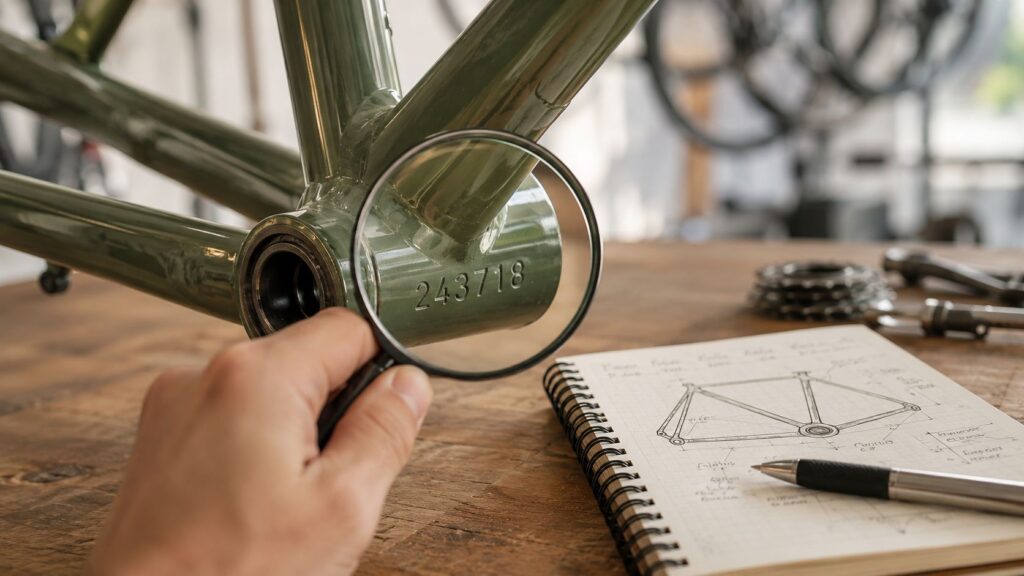
You're looking at a used road bike with a clean frame, a plausible price, and a seller who says it's a "2022 model." The...
Read article
The most common advice for riders between two bike sizes is also the least dependable: "Just size down." That shortcut skips the part that...
Read article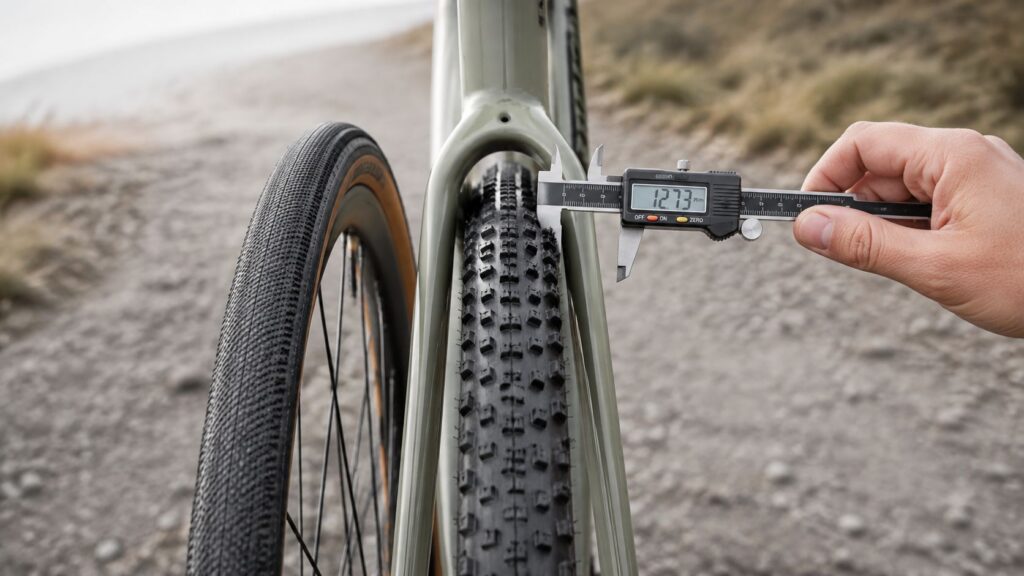
If you are searching for the best gravel bike tires in 2026, start with a simple truth: there is no universal winner. The right...
Read article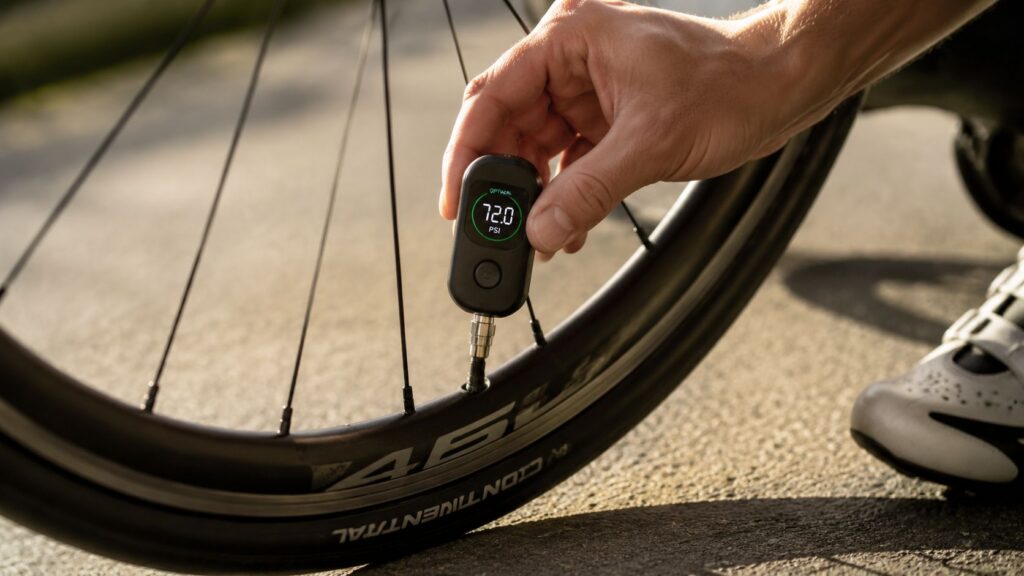
More PSI is not automatically faster on a road bike. That old habit of pumping tires until they feel hard ignores what actually shapes...
Read article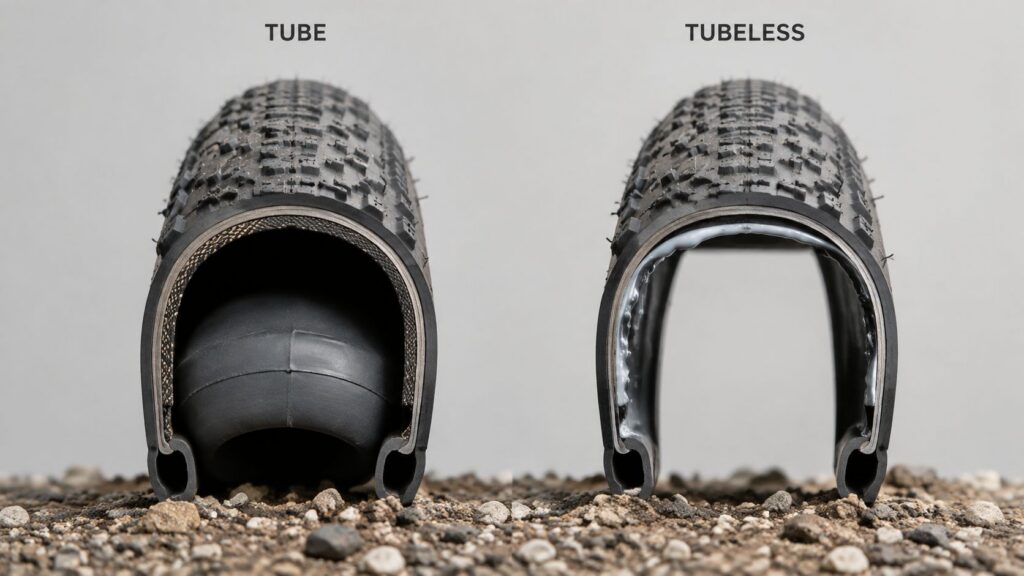
You're halfway through a gravel ride when the rear tire starts losing air. With tubes, the failure is usually obvious: stop, remove the wheel,...
Read article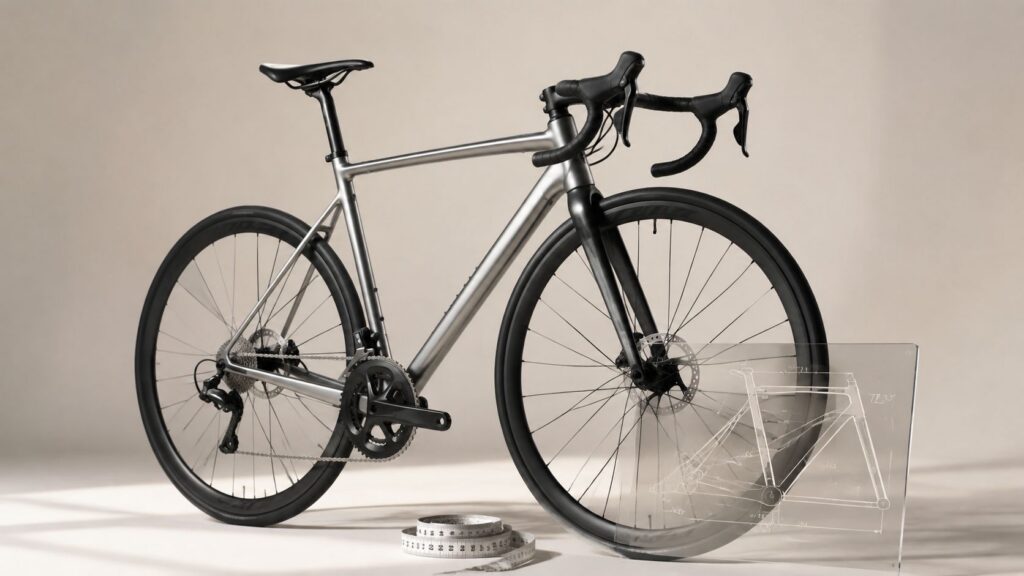
The worst advice about best road bikes under $2000 is still one of the most common: buy the nicest groupset you can afford. At...
Read article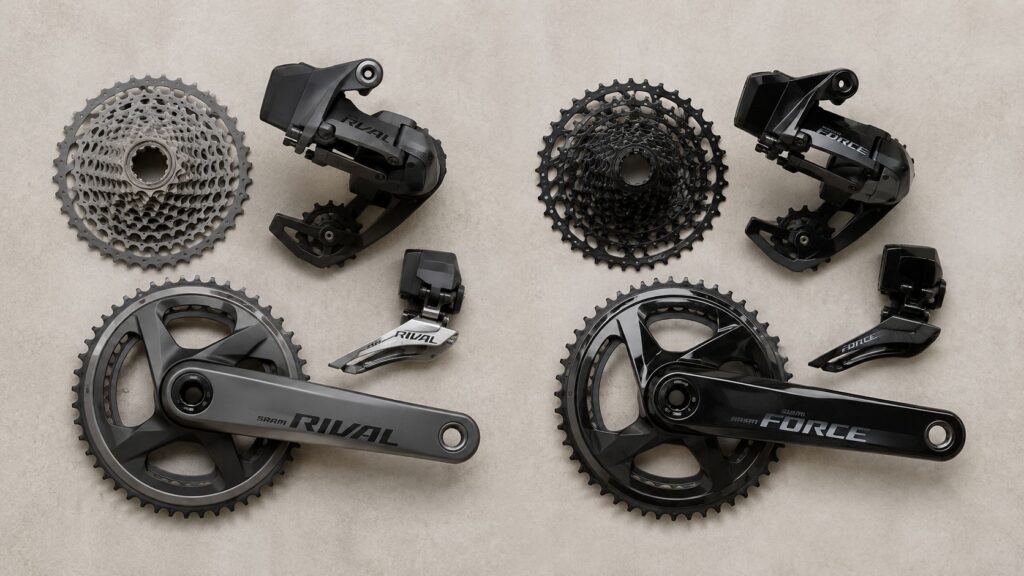
The usual shortcut in a SRAM Rival vs Force comparison is to say that Force is the better groupset. For a complete-bike buyer, that...
Read article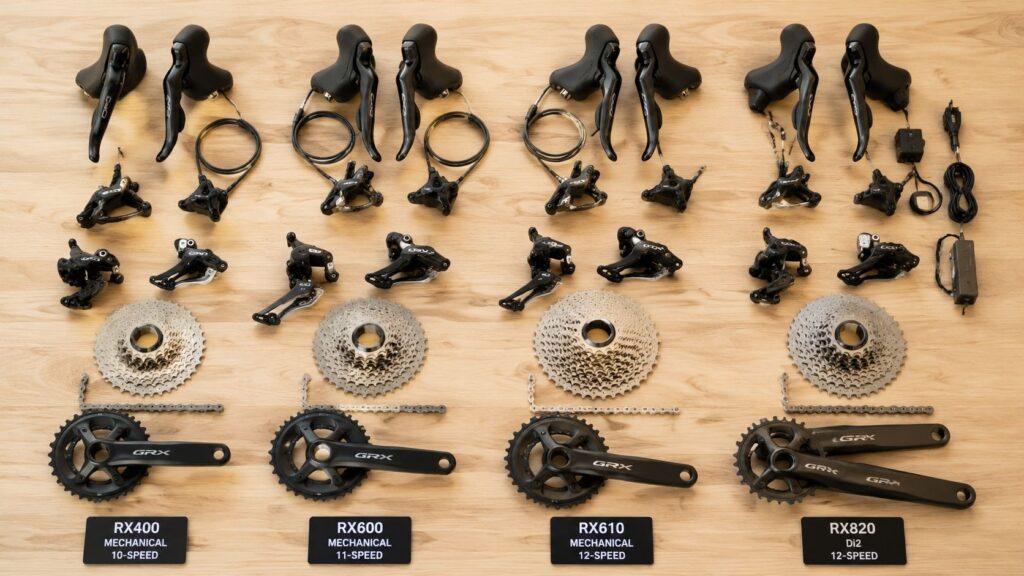
The most useful way to understand the Shimano GRX groupset hierarchy is not as a simple 400-to-600-to-800 ladder. GRX is better understood as a...
Read article